
Published on: Nov 03, 2026 by Andy Slinger, CPA
Updated on: November 3, 2026
| Highlights: |
|
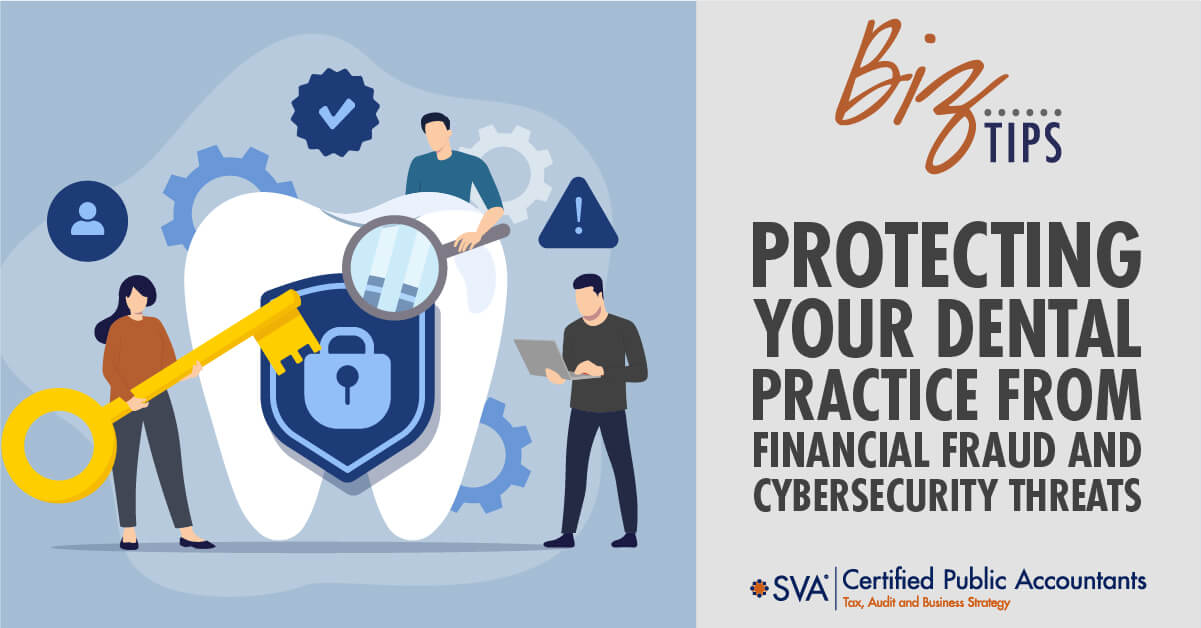
Running a dental practice comes with plenty of responsibilities, from patient care and staffing to managing finances and keeping operations running smoothly. But there's another area that deserves attention: protecting your practice from financial fraud and cybersecurity threats.
Employee embezzlement, fraudulent payments, phishing attacks, and ransomware can happen to practices of any size. And as technology becomes more integrated into daily operations, financial and cybersecurity risks are increasingly connected.
The good news is that there are steps you can take to reduce your exposure. By strengthening internal controls, monitoring financial activity, and preparing for potential cyber incidents, you can better protect your practice, your employees, and your patients.
It's easy to assume financial fraud happens at other businesses, especially when you have longtime employees you know and trust. Unfortunately, that trust can sometimes create opportunities for fraud to go undetected.
Dental practices have several areas where money changes hands, including patient payments, insurance reimbursements, refunds, account adjustments, and vendor payments. When one employee has significant control over these transactions without independent oversight, the opportunity for fraud increases.
Employee fraud often involves three factors: pressure, opportunity, and rationalization. An employee may be experiencing financial difficulties, have access to funds without much oversight, and convince themselves they're entitled to the money or will eventually pay it back.
While you can't control someone's personal circumstances, you can reduce the opportunities for fraud. That starts with a simple question: Who has the ability to initiate, approve, record, and reconcile financial transactions in your practice?
Ideally, those responsibilities should be divided among multiple people. In smaller practices where staffing makes that difficult, the owner or another manager can provide independent oversight.
You don't need a complicated system to improve financial oversight. Often, consistently reviewing a few key reports can make a significant difference.
Consider focusing on these areas:
| Patient Payments & Deposits | Reconcile daily collection reports with credit card transactions, checks, cash, and bank deposits. Make sure the amounts recorded in your practice management system match what actually reaches the bank. |
| Refunds & Adjustments | Review refunds, write-offs, and account adjustments regularly. Look for unusual amounts, frequent adjustments by one employee, or refunds sent to a payment method that doesn't match the original transaction. |
| Vendor Payments | Require approval for payments and independently verify changes to vendor banking information. If a supplier emails new payment instructions, call your established contact using a phone number already on file. |
| Payroll | Review changes to employee pay rates, direct deposit information, overtime, and bonuses. Remove former employees from payroll and other systems promptly. |
| Supplies & Inventory | Monitor purchasing patterns and track higher-value items, such as implants and other dental materials. Comparing supply expenses to collections over time can help identify unusual activity. |
The goal is to make unusual transactions easier to identify before they become larger problems.
Financial fraud doesn't always involve large transactions. In fact, it may begin with relatively small amounts that gradually increase when nobody notices.
Consider a situation where an employee responsible for patient refunds discovers that nobody reviews those transactions. They issue a small fraudulent refund to themselves.
When it goes unnoticed, they continue issuing refunds for larger amounts. The practice may still report strong collections, but the money in the bank doesn't reflect those results. Regularly reviewing refund reports, including who issued the refund and where the money went, could reveal the activity much sooner.
Other potential warning signs include unusual increases in write-offs, deposits that don't match collections, duplicate vendor payments, or employees who resist having someone else review their work. None of these signs automatically indicates fraud. However, they should prompt additional questions and a closer look at the underlying transactions.
One way to stay ahead of these issues is to establish a consistent review schedule. Reconcile payments daily, review refunds and unusual adjustments weekly, monitor financial trends monthly, and periodically review employee access and vendor information.
Financial fraud isn't the only threat dental practices face. Cyberattacks can disrupt nearly every part of your operations. Think about how much your practice relies on technology. Scheduling, patient records, imaging, insurance claims, payments, and communications are often connected through multiple systems.
If ransomware locks you out of those systems, you could suddenly lose access to patient schedules, treatment information, and the tools needed to operate your practice.
Cybercriminals also use phishing emails to steal passwords, redirect payments, and gain access to sensitive information. These messages may appear to come from a familiar vendor, financial institution, or even another employee. And with AI making fraudulent communications more convincing, employees can't always rely on obvious spelling mistakes or suspicious-looking messages to identify a scam.
A good rule for your team is to pause and verify whenever a request involves changing payment information, sharing sensitive data, or providing access to an account.
One of the most valuable steps you can take is building a strong relationship with a qualified IT professional who understands your practice's technology and security needs.
Work with that individual or team to evaluate your current protections, including:
| Multifactor Authentication (MFA) | Require additional verification when employees access email, financial accounts, and other sensitive systems. |
| Employee Access | Limit access to the systems and information employees need for their jobs. Remove access immediately when someone leaves the practice. |
| Software Updates | Keep systems, applications, and security tools updated to address known vulnerabilities. |
| Data Backups | Maintain secure backups and periodically test whether information can be restored. |
| Employee Training | Teach staff how to identify suspicious emails, verify unusual requests, and report potential security concerns. |
Because dental practices handle protected health information (PHI), cybersecurity also involves HIPAA compliance. A security incident may require an assessment of affected information, documentation, and notifications under applicable laws.
Even with strong safeguards, no practice can eliminate every risk. That's why having a response plan matters.
If you discovered a ransomware attack tomorrow morning, would your team know what to do?
These aren't questions you want to answer for the first time during an emergency.
Develop a written incident response plan that identifies who is responsible for making decisions, which professionals need to be contacted, and how the practice will continue operating if systems become unavailable.
It’s also a good idea to practice your response with a hypothetical scenario. Walking through an incident with your leadership team can expose gaps in your procedures before an actual problem occurs.
Protecting your dental practice doesn't require changing everything at once. Start by evaluating where your greatest vulnerabilities may exist. Perhaps that means reviewing who has access to patient refunds, implementing additional oversight of bank transactions, enabling multifactor authentication, or having a conversation with your IT provider about ransomware protection.
Small improvements, consistently applied, can reduce opportunities for fraud and put your practice in a better position to respond when something goes wrong.
The important thing is to be proactive. Taking time to review your financial controls and cybersecurity measures today can help you avoid costly disruptions down the road.
Share this post:


Andy is a Principal with SVA Certified Public Accountants and focuses on the dental, veterinary and healthcare industries. He works with practices to manage their financial matters and set short and long-term goals.
Get Weekly Biz Tips Delivered Straight to Your Inbox!





Madison, WI
1221 John Q Hammons Dr, Suite 100
Madison, WI 53717
(608) 831-8181
Milwaukee, WI
18650 W. Corporate Drive, Suite 200
Brookfield, WI 53045
(262) 641-6888
Colorado Springs, CO
10855 Hidden Pool Heights, Suite 340
Colorado Springs, CO 80908
(719) 413-5551


Copyright © 2026 SVA Certified Public Accountants | Privacy Policy | Cookie Policy | CCPA