
Published on: Feb 03, 2026 by Nancy Mehlberg, CVB, EA
Updated on: September 3, 2026
| Highlights: |
|
Every organization wants to run like a well-tuned machine, but the reality often looks different.
Teams may be duplicating efforts, workflows can be inconsistent, and unclear processes might slow down productivity. These hidden inefficiencies often go unnoticed until they start affecting profitability, morale, or customer satisfaction.
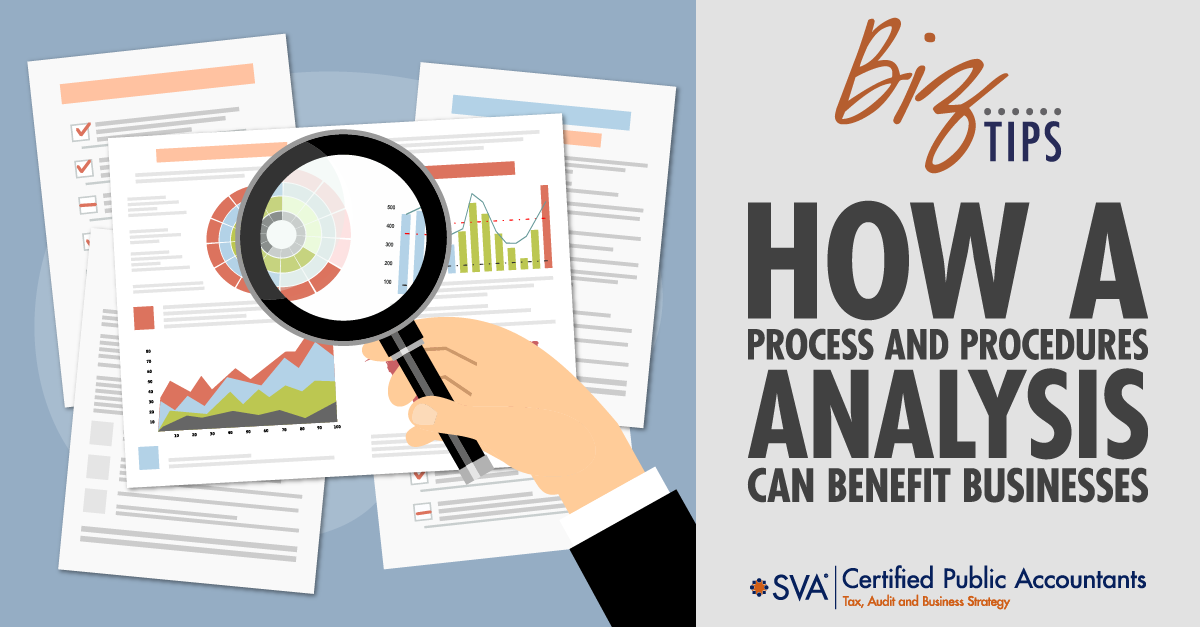
That’s where a process and procedures analysis comes in. This analysis is a structured approach to uncovering how work actually gets done and how it can be done better.
Whether you’re running a growing startup or managing a well-established company, this kind of analysis can help businesses become leaner, more consistent, and more adaptable to change.
A process and procedures analysis is a deep dive into your organization’s day-to-day operations. It examines each workflow, task, and responsibility to identify what’s working well and where improvement opportunities exist. The goal is to make every process purposeful, efficient, and aligned with the company’s broader goals.
This type of review typically involves:
| Documentation Reviews | Examining existing policies, process maps, and training materials. |
| Staff and Stakeholder Interviews | Engaging with team members who perform and manage tasks daily to gain real-world insights. |
| Workflow Observation | Shadowing staff to see how procedures play out in practice versus how they appear on paper. |
| Performance Assessments | Measuring time spent, errors, and bottlenecks across different steps in a workflow. |
The result is a clear understanding of where processes excel and where they need refining to support better business outcomes.
A strong process and procedures analysis uses several key tools and techniques to bring clarity and structure to improvement efforts.
| Process Mapping | Visualizing workflows makes it easy to see how tasks move from one stage to another. It exposes redundant steps, unnecessary approvals, or areas where work gets stuck. |
| Gap Analysis | By comparing current performance to the desired results, organizations can pinpoint where changes will have the most impact. |
| Risk Assessment | This identifies weak points that could cause compliance issues, data errors, or quality problems, helping businesses reduce exposure to potential risks. |
| Optimization Plan | The final step involves developing actionable recommendations and a roadmap for change, including timelines, ownership, and measurable outcomes. |
Together, these components form a comprehensive framework for understanding and improving operations.
When processes are reviewed and streamlined, teams can spend more time focusing on meaningful work instead of repetitive or unnecessary tasks. Automating manual steps, improving communication channels, and aligning responsibilities help employees get more done in less time. With clearer workflows, staff can spend their energy on innovation and customer service rather than administrative burdens.
Standardizing procedures means everyone performs tasks the same way, regardless of department or location. This consistency leads to higher-quality output and fewer mistakes. It also boosts customer satisfaction because clients receive the same level of service each time they interact with your business.
Every redundant step or inefficient workflow carries a cost in wasted labor, time, or materials. A process and procedures analysis reveals where these inefficiencies exist and how to eliminate them. Streamlined processes can reduce operational expenses, improve profit margins, and free up resources for growth or innovation initiatives.
Regulatory compliance and operational oversight can be complex, especially as companies expand. A structured analysis helps align internal procedures with industry standards and legal requirements. It also minimizes the chance of human error by identifying areas that need clearer documentation, training, or automated safeguards.
Employees thrive when they understand their roles and responsibilities. A process review clarifies expectations, reduces confusion, and empowers teams to make informed decisions. When people know how their work contributes to larger company goals, engagement rises.
Plus, involving employees in the analysis process gives them a voice in shaping improvements, creating a sense of ownership that can inspire long-term commitment.
A well-documented process foundation makes growth much easier. Repeatable, transparent systems support expansion into new markets, onboarding of additional staff, and integration of new technologies. Businesses with efficient, scalable processes are better equipped to adapt quickly to changes in demand or strategy without sacrificing quality or control.
A successful analysis follows a clear, structured approach. While every organization will have unique workflows and goals, these steps create a reliable framework for success:
| 1. Identify the Processes to Review | Start with functions that directly affect business outcomes, like finance, operations, or customer service. |
| 2. Document Current Workflows | Use visual tools like flowcharts or process maps to show how work currently moves through the organization. |
| 3. Gather Data and Feedback | Collect insights from the people who know the processes best. Include quantitative data, such as turnaround times, and qualitative input, such as staff observations. |
| 4. Analyze and Identify Gaps | Look for inconsistencies, communication breakdowns, and tasks that add little value. |
| 5. Develop Improvement Strategies | Recommend targeted changes supported by metrics and key performance indicators (KPIs). |
| 6. Implement and Monitor | Roll out improvements in stages, measure results, and adjust as needed. Continuous evaluation helps sustain long-term progress. |
These steps help transform insights into real operational gains that can be tracked and measured over time.
Conducting a process and procedures analysis is one of the smartest investments a business can make in its future. It shines a light on hidden inefficiencies, strengthens team performance, and lays the groundwork for sustainable growth.
When organizations take the time to understand how work flows and where it can be improved, they open the door to lasting benefits like greater productivity, lower costs, improved compliance, and more engaged employees.
If your company hasn’t reviewed its processes recently, consider making it a priority. A thoughtful analysis can reveal opportunities you didn’t know existed and position your business to operate with clarity, confidence, and efficiency.

Share this post:


Nancy is a Principal with SVA Certified Public Accountants and helps clients improve their company profitability and protects their interests by clearly understanding their future goals. She works closely and proactively with clients with an emphasis in business and income tax planning and financial reporting.
Get Weekly Biz Tips Delivered Straight to Your Inbox!





Madison, WI
1221 John Q Hammons Dr, Suite 100
Madison, WI 53717
(608) 831-8181
Milwaukee, WI
18650 W. Corporate Drive, Suite 200
Brookfield, WI 53045
(262) 641-6888
Colorado Springs, CO
10855 Hidden Pool Heights, Suite 340
Colorado Springs, CO 80908
(719) 413-5551



Copyright © 2026 SVA Certified Public Accountants | Privacy Policy | Cookie Policy | CCPA